

At the intersection of Swiss engineering excellence and emerging digital capabilities, three forces are shaping the future of advanced manufacturing: high-precision electronics manufacturing services (EMS), industrial digital twin platforms and cutting-edge electrical insulation materials. This convergence is driving the development of smarter, more resilient and energy-efficient industrial systems.
This integrated approach is transforming how products are built and how they perform over time. Swiss EMS providers are using digital twins to simulate production in real time, fine-tune processes before physical builds and adjust operations dynamically in response to shifting demand. These virtual tools also enable continuous performance monitoring and predictive insights that reduce downtime and enhance quality.
On the materials side, modern insulation technologies are addressing the growing complexity and energy demands of miniaturized electronics, improving safety, reliability and thermal efficiency. Aligning virtual precision with material innovation, manufacturers are advancing toward more sustainable operations, better system resilience and faster, data-informed development—outcomes that are essential in sectors like aerospace, medical technology and clean energy.
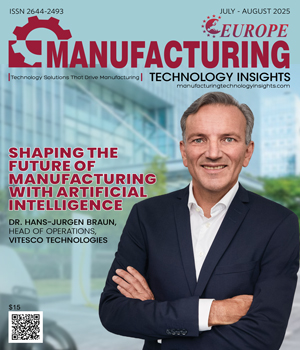
This edition of Manufacturing Technology Insights Europe explores how the convergence of smart engineering, advanced materials and digital technologies is reshaping the manufacturing landscape. It features insights from Silvano Ghilardi, head of R&D electronics at AAT Oetiker Group, who highlights the importance of hands-on, cross disciplinary leadership to drive innovation and build smarter, more connected manufacturing systems. Martin Høgsbjerg, senior director of supply chain & operation in Denmark at Danfoss Drives, emphasizes that the success of the smart factory depends on close collaboration between R&D and manufacturing. He underscores the importance of thoughtful design for automated assembly and a flexible, data-driven approach to production planning and robotics integration.
We hope this edition provides valuable perspectives to help you navigate today’s rapidly evolving manufacturing environment and spark ideas for your own innovation journey.